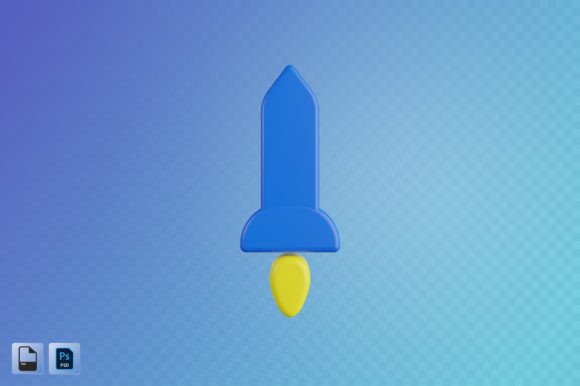
What You Need to Know About Rocket 3D Illustration
Rocket 3D Illustration is a digital design resource that provides high-quality, scalable 3D visual assets for use in various creative and professional applications. Typically offered in formats like PSD (Photoshop Document) and PNG, these illustrations are ideal for designers looking to integrate visually striking elements into their work without the need for custom 3D modeling or rendering. With a resolution of 2000x2000 pixels, they deliver crisp and detailed visuals suitable for both digital and print media.
Why Designers Choose Rocket 3D Illustration
Designers across different fields often seek out Rocket 3D Illustration because it offers a convenient and effective way to enhance their projects with modern, dynamic imagery. Whether you're working on UI design, web development, app interfaces, presentations, posters, or social media advertising, these illustrations can add depth, interest, and a futuristic feel to your compositions.
Content creators also benefit from using Rocket 3D Illustration to make their materials more engaging. The clean, stylized designs are adaptable and can be used as background elements, icons, infographics, or standalone visuals. Their versatility makes them a popular choice for those who want to maintain a consistent aesthetic across multiple platforms while saving time and resources.
Benefits of Using Rocket 3D Illustration
- High Resolution: At 2000x2000 pixels, these illustrations ensure clarity and sharpness even when scaled up for large displays or printed materials.
- Editable Files: Access to PSD files allows for full customization within Adobe Photoshop, enabling designers to tweak colors, lighting, and layers to match their specific project needs.
- Multiple Formats: The availability of both PSD and PNG files gives users flexibility in how they incorporate the illustration into their workflow—whether as a layered asset for editing or a flat image for quick integration.
- Time Efficiency: Rather than spending hours creating 3D graphics from scratch, designers can leverage pre-made illustrations to speed up the creative process and focus on other aspects of their projects.
- Consistency in Style: Many Rocket 3D Illustrations follow a cohesive visual language, which helps maintain brand identity or thematic consistency across different media types.
Considerations and Tradeoffs
While Rocket 3D Illustration has many advantages, there are some factors to consider before incorporating it into your workflow. One important aspect is the level of customization required. If your project demands highly unique or tailored 3D elements, generic illustrations might not meet those expectations. In such cases, hiring a 3D artist or using advanced modeling software could be necessary.
Another consideration is licensing. Depending on where you source the illustration, you may need to verify whether it’s royalty-free or requires attribution. This is especially critical if you plan to use the illustration in commercial contexts or distribute it widely online.
Additionally, the file size of high-resolution 3D illustrations can be larger than traditional 2D graphics, which might affect load times for web-based projects. Designers should optimize these images appropriately to maintain performance standards, particularly for mobile users or fast-loading websites.
When Rocket 3D Illustration Is a Strong Fit
Rocket 3D Illustration works best in scenarios where visual impact and efficiency are key. For instance, if you're designing an app interface and need to showcase product features in a compelling way, a 3D rocket illustration can serve as an eye-catching placeholder or icon. Similarly, in UI/UX design, these assets can help communicate complex ideas through intuitive, spatially aware visuals.
In web design, Rocket 3D Illustration can be used to highlight sections of a website or create interactive elements. They’re also well-suited for presentation slides where you want to grab attention quickly and convey innovation or technology themes. Social media advertisers will find these illustrations useful for creating posts that stand out in crowded feeds, especially for campaigns related to space, tech, or futuristic concepts.
Content creators and marketers aiming to build a cohesive visual brand can benefit from using Rocket 3D Illustration to maintain a uniform style across all content types—from blog headers to email newsletters.
When Alternatives Might Be Better
If your project requires a more bespoke or realistic 3D model, alternatives like custom 3D modeling or using open-source tools such as Blender may be more appropriate. These options offer greater control over every detail of the model but come at the cost of time and expertise.
For simpler or more abstract designs, vector-based illustrations or 2D graphics could be preferable. These tend to be lighter in file size and easier to scale across different resolutions without losing quality. Additionally, if you're on a tight budget or need a vast number of unique visuals, free stock illustration sites or subscription-based graphic libraries might provide better value.
It's also worth considering whether a static illustration is the right choice for your project. If you're building a motion-based experience—such as an explainer video or animated advertisement—you may need to explore 3D animation tools or services instead.
Practical Tips for Choosing and Using Rocket 3D Illustration
To determine whether Rocket 3D Illustration aligns with your goals, start by evaluating the purpose of your project. Ask yourself questions like: Do I need something that conveys a sense of motion or depth? Can I customize the provided files to fit my branding? Will this illustration perform well in the intended context, whether it's digital or print?
Here are some practical insights to guide your decision-making:
- Match the Theme: Ensure the illustration complements the overall tone and message of your project. A sleek 3D rocket may suit a tech startup's landing page but might feel out of place in a vintage-style poster.
- Test in Context: Before finalizing its use, place the illustration in the actual design environment. Check how it looks alongside text, buttons, and other elements to avoid visual clutter or misalignment.
- Optimize for Performance: Compress PNG files for web use and convert PSDs to more lightweight formats if needed. Use layer groups and smart objects wisely to keep file sizes manageable without sacrificing quality.
- Check Licensing Terms: Always confirm the usage rights associated with the illustration. Some files may only be suitable for personal use, while others require a commercial license for broader deployment.
- Explore Variants: If available, look for variations of the same illustration to maintain continuity in multi-page layouts or across different marketing channels.
Expectations and Best Practices
When using Rocket 3D Illustration, it’s important to manage expectations around what the asset can achieve. While it’s a powerful tool for adding dimension and creativity, it won't replace original design thinking. Instead, it serves as a valuable supplement to your existing toolkit.
Best practices include using the illustration sparingly to avoid overwhelming the viewer and ensuring it supports—not distracts from—the main message. Layering techniques in Photoshop can help blend the illustration seamlessly into your design, adjusting transparency, shadows, and highlights for a more integrated look.
Moreover, consider the color palette and lighting of the illustration. It should harmonize with your project’s existing design elements. If needed, use Photoshop’s adjustment layers to tweak the illustration to match your brand colors or ambient lighting conditions.
Conclusion
Rocket 3D Illustration is a versatile and efficient design asset for professionals and creatives seeking to elevate their work with high-quality, ready-to-use visuals. Its benefits in terms of resolution, format flexibility, and style consistency make it a strong candidate for use in UI design, web projects, presentations, posters, and social media. However, it's essential to weigh these benefits against your specific requirements, including customization needs, performance considerations, and licensing constraints.
By carefully evaluating your project’s scope and objectives, you can decide whether Rocket 3D Illustration is the right fit. When used thoughtfully, it can enhance user engagement, simplify the design process, and contribute to a polished, professional outcome.