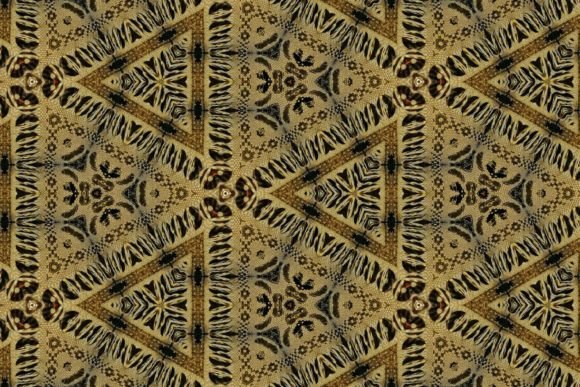
Decorative Luxury Background with Motifs: Elegance in Design for Modern Spaces
A Decorative Luxury Background with Motifs is more than just a visual element—it’s a design statement that can elevate the aesthetic of any product or space. Whether you're working on interior decoration, textile printing, website UI themes, or promotional materials like business cards and brochures, these backgrounds add depth, character, and sophistication. They are especially popular in industries such as fashion, hospitality, architecture, and branding, where attention to detail and cultural richness play a vital role.
What Makes Decorative Luxury Backgrounds Unique?
Luxury backgrounds with motifs often feature intricate patterns inspired by traditional art forms, including Turkish carpet designs, rope structures, batik, and embroidery. These motifs are not random; they carry meaning, history, and craftsmanship. For example, Turkish pattern designs for carpets and rugs typically include floral, geometric, and medallion elements that symbolize prosperity, harmony, and beauty.
When applied to tiles, fabrics, or digital assets like wallpapers and user interface themes, these backgrounds create an atmosphere of refinement. The use of abstract patterns enhances modernity while maintaining the elegance of classic motifs. This blend makes them suitable for both contemporary and traditional environments.
Common Mistakes When Choosing Decorative Luxury Backgrounds
- Ignoring the context: Applying the same luxury background across all platforms without considering how it fits each medium can lead to inconsistencies. A background that looks stunning on a brochure may not translate well to a website due to scalability issues or color contrast problems.
- Overcomplicating the design: While intricate motifs are part of the charm, using too many layers or overly detailed elements can overwhelm the viewer. In digital interfaces or printed textiles, clarity and readability must be balanced with artistic flair.
- Choosing low-quality sources: Many creators overlook the importance of resolution when downloading or purchasing decorative backgrounds. Low-resolution files used in print media like fabric swatches or business cards can appear blurry and unprofessional.
- Misusing colors: Traditional motifs often rely on specific color palettes for authenticity. Using mismatched or trendy colors without understanding their symbolic meaning can dilute the intended effect and reduce the perceived value of the design.
- Forgetting about scalability: When applying these backgrounds to digital assets such as website headers or mobile app screens, it's easy to forget that they need to look good at different sizes. Poor scaling can make once-beautiful patterns appear pixelated or distorted.
How These Mistakes Can Impact Your Results
Design missteps can have real consequences. A poorly scaled background might make your website feel outdated or untrustworthy. Similarly, using a high-detail Turkish pattern on a small business card could render text unreadable and confuse customers. In the textile industry, incorrect color application or low-quality prints can damage brand reputation and customer satisfaction.
In marketing materials like flyers and brochures, the right background can reinforce brand identity and evoke emotion. But if the design is cluttered or unclear, it may distract from the message rather than support it. This is why professionals in the field recommend taking a step back before finalizing a choice—assessing whether the design serves its purpose beyond aesthetics.
Practical Tips to Avoid Common Errors
To ensure your Decorative Luxury Background with Motifs delivers the desired impact, consider the following advice:
- Match the motif to the medium: Before selecting a design, determine where it will be used. For instance, a 3D illustration art background might work perfectly for a website but would require optimization for smaller formats like social media cover photos or business cards.
- Keep balance in mind: Use motifs as accents rather than overwhelming the entire design. Layer them subtly behind text or content to maintain focus without losing the luxurious feel. Abstract patterns are ideal for this—they provide texture without distraction.
- Opt for high-resolution assets: Always check the resolution and format (like PNG or SVG) when downloading or buying a background. High-quality images ensure sharp visuals in both print and digital applications, especially in the textile industry flyer and brochure printing sectors.
- Understand cultural symbolism: Research the origin and meaning behind the motifs you choose. This knowledge helps you apply them respectfully and effectively, adding depth to your design and resonating better with your audience.
- Test in multiple sizes: If your project involves digital assets, test the background at various screen sizes. A beautiful wallpaper design might lose its appeal when shrunk down for a mobile layout or stretched across a large banner.
Realistic Examples of Better Approaches
Let’s say you're designing a brochure for a boutique hotel known for its Turkish-inspired interiors. Instead of covering the entire page with a dense carpet pattern, try using it as a border or subtle watermark. Pair it with neutral fonts and minimalist layouts to let the motif shine without overpowering the content.
Another example is using a rope structure pattern in interior decoration. This motif works well in coastal-themed spaces or nautical-inspired brands. However, instead of repeating it excessively, incorporate it into one focal point—like a throw pillow or curtain—to avoid visual fatigue and maintain elegance.
For website UI themes, consider an abstract pattern layered under a semi-transparent overlay. This technique preserves the luxurious essence while ensuring usability and accessibility. It also allows for flexibility in color schemes and content placement.
Things to Check Before Making a Decision
Before finalizing your Decorative Luxury Background with Motifs, ask yourself the following questions:
- Does the design align with my brand identity or the theme of the project?
- Is the file quality sufficient for the intended use (print vs. digital)?
- Will the pattern remain legible and visually appealing across different devices and scales?
- Am I using the motif in a respectful and culturally appropriate way?
- Does it enhance the overall experience rather than distract from it?
Where to Apply Decorative Luxury Backgrounds
The versatility of Decorative Luxury Backgrounds with Motifs means they can be adapted to various uses. Here are some common applications and how to approach them correctly:
Carpet and Rug Design
Traditional Turkish patterns are deeply rooted in symbolism. When designing carpets or rugs, ensure that the motifs reflect the cultural significance and complement the room's style. Opt for natural fibers and high-contrast dyes to preserve the intricacy of the design.
Fabric Printing
Whether it's upholstery or fashion textiles, the background should harmonize with the rest of the design. Test the motif on fabric swatches before mass production to confirm it holds up under different lighting conditions and textures.
Interior Decoration Ideas
Use decorative backgrounds to create focal walls, tile borders, or custom wallpaper. Consider combining motifs with complementary elements like wooden accents or metallic finishes to amplify the sense of luxury.
Digital Assets
For websites, UI themes, or trendy wallpapers, ensure the pattern doesn’t interfere with navigation or content visibility. Use overlays or adjust opacity to keep the design elegant and functional.
Conclusion
Decorative Luxury Backgrounds with Motifs offer a timeless yet versatile solution for designers, entrepreneurs, and creators across multiple industries. By avoiding common mistakes and focusing on thoughtful implementation, you can achieve results that are both visually appealing and professionally effective. Whether you're crafting a new flyer for the textile industry or redesigning a website, always prioritize quality, relevance, and usability alongside beauty.
Take the time to research, test, and refine your choices. The goal is not just to impress with eye-catching designs but to communicate value and intent through every detail.