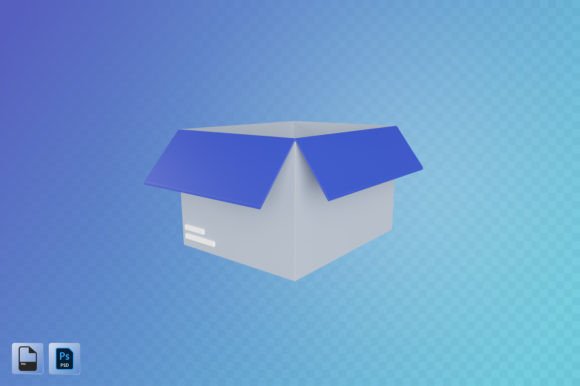
What Is Sales 3D Illustration and Why It Matters for Your Design Projects
In the fast-evolving world of design, visuals have become more than just a supporting element—they are central to communication, engagement, and conversion. One powerful tool that has gained significant traction is Sales 3D illustration. These illustrations offer a dynamic way to present products, services, or ideas in a visually compelling format. Whether you're working on UI/UX design, app development, web content, presentations, posters, or social media advertising, incorporating high-quality 3D illustrations can elevate your work from good to exceptional.
Understanding Sales 3D Illustration
Sales 3D illustration refers to the use of three-dimensional imagery to showcase products or concepts in a realistic and engaging manner. Unlike traditional flat images or stock photos, 3D illustrations allow for greater customization, scalability, and visual impact. They can be used to highlight product features, demonstrate usage scenarios, or even create entirely fictional environments that support your brand message.
These illustrations are created using specialized software such as Blender, Maya, Cinema 4D, or ZBrush. The process involves modeling an object or scene in 3D space, applying textures and lighting, and then rendering it into a final image or animation. The result is a highly detailed and lifelike graphic that can be manipulated to suit various design needs.
Why Use 3D Illustrations for Sales?
- Realism and Detail: 3D illustrations can mimic real-world objects with incredible accuracy, making them ideal for showcasing products before they’re manufactured or available for purchase.
- Flexibility: You can rotate, zoom, and reposition the illustration without losing quality, allowing for creative freedom in different applications.
- Brand Consistency: Custom 3D illustrations ensure that all visuals align with your brand’s style guide, colors, and aesthetics.
- Cost-Effective: Once created, 3D assets can be reused across multiple platforms and projects, saving time and money in the long run.
The Role of High-Resolution Files in Design
When it comes to digital design, resolution plays a crucial role in how your visuals are perceived. A high-resolution 3D illustration, typically at 3000x3000 pixels or higher, ensures that your image remains crisp and clear even when scaled up for large displays or printed materials. This is particularly important for use cases like posters, billboards, or print marketing, where detail is paramount.
High-res files also provide designers with the ability to crop or edit the illustration without degrading its quality. For example, if you're designing a mobile app interface, having a high-resolution PNG allows you to focus on specific elements while maintaining sharpness and clarity.
PSD vs. PNG: Choosing the Right File Format
Most professional design packages deliver 3D illustrations in both PSD (Photoshop Document) and PNG (Portable Network Graphics) formats. Each format serves a unique purpose:
- PSD files are layered and editable, making them perfect for further tweaking in Photoshop or other design tools. This is especially useful when you need to integrate the illustration into a larger project, such as a website layout or a presentation slide deck.
- PNG files are flattened and optimized for quick loading on digital platforms. They retain transparency and high quality, which is essential for web and app design, as well as social media graphics.
Having access to both file types gives you maximum flexibility, whether you're collaborating with developers or preparing content for online publishing.
Where Can You Use Sales 3D Illustrations?
3D illustrations are incredibly versatile and find their place in a wide range of industries and applications. Let's explore some of the most common uses:
UI and App Design
User interfaces (UI) and app design require visuals that are not only attractive but also functional. 3D illustrations can add depth and realism to mockups, helping users visualize how a product will look and feel. For instance, a fintech app might use a 3D illustration of a virtual wallet or secure transaction process to communicate trust and innovation.
Web Design
Websites often rely on engaging visuals to capture attention and convey information quickly. A 3D illustration can serve as a hero image, background element, or interactive component. E-commerce sites benefit greatly from this approach, as customers can get a better sense of the product through realistic 3D views rather than static images.
Presentations and Reports
Whether you're pitching to investors or presenting to stakeholders, 3D illustrations can make your slides stand out. They help simplify complex data or abstract ideas by turning them into tangible visuals. Imagine illustrating a new business model or market strategy with a custom 3D scene—it becomes much easier to explain and remember.
Posters and Print Media
For events, promotions, or educational campaigns, posters with 3D illustrations draw the eye and leave a lasting impression. Their high resolution makes them suitable for large-format printing, ensuring every detail shines through. A technology company launching a new product could use a poster featuring a glowing 3D model of the device to generate excitement.
Social Media Advertising
With the rise of platforms like Instagram, Facebook, and LinkedIn, businesses are constantly looking for ways to stand out in crowded feeds. 3D illustrations can do just that. They are eye-catching, modern, and adaptable—perfect for creating shareable content. For example, a startup promoting a smart home device may use animated 3D illustrations in video ads to show how the product integrates into daily life.
Content Creation and Marketing
From blog posts to email newsletters, 3D illustrations enhance storytelling. They can illustrate processes, product benefits, or customer journeys in a way that text alone cannot. When used in blog headers or infographic sections, these visuals improve user experience and increase time spent on the page.
How 3D Illustrations Fit Into Modern Business and Technology
As businesses move toward digital transformation, the demand for high-quality visual content has skyrocketed. In e-commerce, for example, companies use 3D illustrations to reduce return rates by providing accurate product representations. In education, 3D visuals help explain difficult concepts, making learning more interactive and effective.
Moreover, with the growth of augmented reality (AR) and virtual reality (VR), 3D illustrations are no longer just static images. They can be integrated into immersive experiences, giving users a hands-on interaction with the product or concept being presented. This opens up exciting possibilities for sales, training, and customer engagement.
Common Misconceptions About 3D Illustrations
Despite their popularity, there are still some misunderstandings about 3D illustrations:
- They are too expensive: While custom 3D illustrations can require investment, many affordable options exist today. Pre-made assets or scalable vector-based 3D models can be cost-effective solutions for startups and small businesses.
- Only for big brands: Small businesses and entrepreneurs can also leverage 3D illustrations to level the playing field and create professional-looking designs that resonate with audiences.
- Difficult to integrate: With proper formatting (like PSD and PNG files), 3D illustrations are easy to incorporate into existing workflows. Many come ready-to-use with transparent backgrounds and layered components.
Practical Examples of Sales 3D Illustrations
To better understand how these illustrations can be applied, here are a few examples:
Example 1: Tech Product Launch
A smartphone company launches a new model and includes a 3D illustration of the phone on their landing page. Users can hover over the image to view it from all angles, read specifications, and see it in action with simulated features. This interactive approach increases engagement and reduces the need for lengthy descriptions.
Example 2: SaaS Onboarding Process
A software-as-a-service (SaaS) company uses a 3D illustration to depict how their platform works. The illustration shows a virtual office where employees interact with the software seamlessly. This helps potential clients visualize the benefits without prior technical knowledge.
Example 3: Social Media Campaign
An eco-friendly clothing brand runs a campaign highlighting sustainability. They use a 3D illustration of a plant growing into a shirt to symbolize natural materials and ethical production. The visual is shared across platforms, generating organic engagement and reinforcing brand values.
Benefits of Using Sales 3D Illustrations
There are numerous advantages to using 3D illustrations in your design projects:
- Enhanced Visual Storytelling: 3D illustrations help tell stories in a more engaging and memorable way, especially when combined with motion or interactivity.
- Increased User Engagement: Realistic visuals attract attention and encourage deeper exploration, leading to better user retention and satisfaction.
- Improved Brand Perception: High-quality 3D illustrations signal professionalism and creativity, helping your brand stand out in a competitive landscape.
- Adaptability Across Platforms: From websites to mobile apps, print to digital ads, 3D illustrations can be adapted to fit various formats and resolutions.
Time-Saving for Designers
Designers appreciate the efficiency that 3D illustrations bring to their workflow. Since these illustrations can be modified easily, they eliminate the need for multiple photo shoots or revisions. You can adjust lighting, color schemes, or perspectives within the software, streamlining the creative process and reducing turnaround times.
Getting Started with Sales 3D Illustrations
If you're considering using 3D illustrations in your next project, here are a few steps to follow:
- Define Your Goals: Are you trying to showcase a product, explain a service, or build brand awareness? Clarifying your objective will guide the illustration style and content.
- Choose the Right Style: There are many styles of 3D illustration—realistic, semi-realistic, cartoonish, or abstract. Select one that matches your brand identity and audience preferences.
- Select Appropriate File Formats: Always request both PSD and PNG files to ensure you can use the illustration in different contexts and maintain editing flexibility.
- Work with a Professional Designer: If you don't have in-house 3D design capabilities, collaborate with experienced illustrators or agencies. Look for those who specialize in sales-oriented visuals and understand your industry.
- Test and Iterate: Once the illustration is created, test it across platforms to see how it performs. Gather feedback and refine the design as needed.
Conclusion
Sales 3D illustration is more than just a trend—it's a valuable asset for any designer, marketer, or business owner aiming to create impactful visuals. With high-resolution files (3000x3000 px), and the versatility of PSD and PNG formats, these illustrations are suited for a wide range of applications, including UI design, app development, web design, presentations, posters, social media advertising, and more.
By integrating 3D illustrations into your creative projects, you can enhance visual storytelling, improve user engagement, and maintain consistent branding. As technology continues to evolve, the importance of 3D visualization in sales and marketing will only grow, making it a must-have tool in your design arsenal.
Ready to take your design projects to the next level? Explore the power of Sales 3D illustration and unlock new opportunities for creativity and connection.