Enhance Your Designs with a Paint Roller 3D Illustration
In the world of digital design, visual elements play a crucial role in capturing attention and conveying messages effectively. One such element that has gained popularity is the Paint Roller 3D Illustration. This versatile graphic tool can be used across various platforms and industries to elevate your creative projects. Whether you're designing for an app, website, presentation, or social media campaign, incorporating a paint roller 3D illustration can add a dynamic and professional touch.
What Is a Paint Roller 3D Illustration?
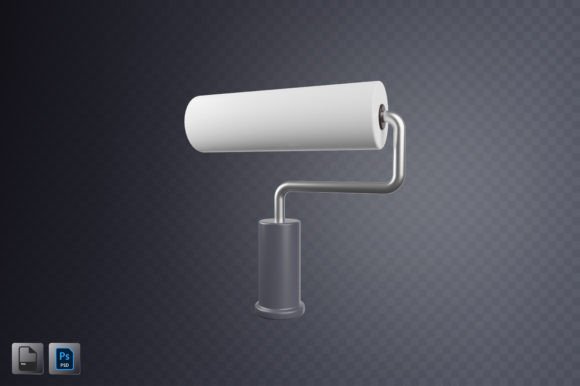
A Paint Roller 3D Illustration is a high-quality, three-dimensional representation of a paint roller typically used in digital art, UI/UX design, marketing materials, and other creative fields. Unlike flat images, these illustrations offer depth, texture, and realistic lighting effects, making them ideal for modern design needs. They are commonly available in formats like PSD and PNG, and often come at a high resolution (such as 3000x3000 px), ensuring clarity and adaptability for both print and screen use.
This type of illustration is not just about aesthetics—it serves a functional purpose by visually representing tools, processes, or ideas related to painting, creativity, and DIY projects. It’s especially useful when you want to emphasize themes like customization, personal expression, or renovation.
Common Design Challenges Solved by 3D Illustrations
Designers and content creators often face challenges when it comes to finding visuals that align with their brand's tone and project requirements. A standard photo might lack the flexibility needed for different design contexts, while a generic stock image could feel outdated or unoriginal. These issues can hinder the effectiveness of your message and reduce engagement.
- Limited Visual Options: Traditional paint roller images may not match the modern, sleek look your design demands.
- Low Resolution: Many free or low-cost images don't provide the quality needed for high-impact presentations or web banners.
- Format Restrictions: Not all design projects accept the same file types, which can limit how you use an asset.
- Time Constraints: Creating original 3D models from scratch can be time-consuming, especially when deadlines are tight.
The Paint Roller 3D Illustration addresses these pain points by offering a ready-to-use, customizable, and high-resolution solution. With layers intact in PSD files, you can modify colors, textures, and backgrounds without needing advanced 3D modeling software.
Practical Applications Across Industries
The beauty of a 3D paint roller illustration lies in its adaptability. Here are some common areas where it can be effectively utilized:
App and Web Design
For developers and designers working on apps or websites related to home improvement, interior design, or creative tools, a paint roller illustration can serve as an engaging icon or part of a larger visual theme. Its clean lines and scalable format make it suitable for buttons, headers, or even interactive elements.
Presentations and Posters
Whether you're presenting a new product concept or promoting a community event focused on DIY painting, this illustration can bring your ideas to life. The realism of the 3D model helps viewers visualize the process or product better than a static photo ever could.
Social Media Advertising
Marketers looking to promote paint supplies, home decor services, or even virtual painting tools can leverage the paint roller 3D illustration to create eye-catching posts. Used in carousel ads, stories, or promotional graphics, it adds a layer of professionalism and creativity that resonates with audiences.
Content Creation and Branding
Content creators often need visuals that are both unique and reusable. A paint roller 3D illustration can be integrated into blog posts, YouTube thumbnails, Instagram carousels, and more. It also supports branding efforts by allowing you to customize the color scheme or style to reflect your brand identity.
How to Use Paint Roller 3D Illustration Effectively
Integrating a 3D illustration into your workflow doesn’t have to be complicated. Here are some practical tips to maximize its usefulness:
- Customize Colors and Textures: Since most 3D illustrations come in layered PSD files, you can easily change the color of the paint roller to match your palette or retexture it to fit specific scenarios.
- Layer with Other Elements: Combine the illustration with brushes, paint cans, or wall surfaces to create a cohesive scene. This makes it perfect for infographics or tutorial content.
- Optimize for Different Platforms: Resize and export the PNG version for use in mobile apps, social media, or email templates. Ensure it maintains clarity and impact across devices.
- Use in Storytelling: Incorporate the illustration into narratives about DIY projects, home renovations, or even abstract concepts like "painting your own path" in motivational content.
By leveraging the flexibility of the Paint Roller 3D Illustration, you can maintain a consistent visual language across your projects while staying within budget and time constraints.
Examples of Real-World Use
Here are a few examples of how different professionals have successfully implemented this illustration:
- Interior Design App: A startup developed a mobile app to help users visualize paint choices on their walls. They used the paint roller 3D illustration as the main UI element to guide users through the app’s features.
- Home Improvement Poster: A local hardware store created a poster encouraging customers to repaint their living spaces during spring. The 3D paint roller was the focal point, surrounded by vibrant color swatches and call-to-action text.
- YouTube Tutorial Series: A DIY content creator included the illustration in video thumbnails and end screens to reinforce the painting theme and improve brand recognition.
These cases demonstrate how a single illustration can be repurposed creatively depending on the user's goals and audience.
Considerations When Choosing a Paint Roller 3D Illustration
To get the most out of your 3D illustration, consider the following factors before selecting one:
- Resolution and File Format: Look for assets that offer high resolution (like 3000x3000 px) and support multiple file types such as PSD and PNG. This ensures compatibility and scalability.
- Realism vs. Flat Style: Depending on your design direction, choose between hyper-realistic renderings or stylized versions. Both have their place but serve different visual purposes.
- Contextual Fit: Ensure the illustration aligns with your project’s theme. A paint roller should complement the overall message rather than distract from it.
- License and Usage Rights: Confirm the terms of use if you’re planning to deploy the illustration in commercial projects. Some resources require attribution or restrict redistribution.
Additionally, think about how the illustration will interact with your layout. Will it be a background accent, a central graphic, or part of an animation? Planning ahead can help you avoid unnecessary revisions later.
Who Can Benefit Most from Using This Illustration?
While the Paint Roller 3D Illustration is a powerful tool, different users can approach it in unique ways:
- Graphic Designers: You can use it to build custom scenes, mockups, or icons tailored to client preferences.
- Web Developers: Integrate it into landing pages or feature highlights to showcase paint-related products or services.
- Marketing Professionals: Create compelling ad campaigns that stand out with the right mix of 3D imagery and persuasive copy.
- Freelancers and Content Creators: Enhance your portfolio with professional-grade visuals or use it to attract clients in niche markets like home improvement or art tutorials.
Each profession can tailor the illustration to suit their specific needs, proving its versatility and value.
Where to Find and How to Implement
High-quality 3D illustrations like the paint roller can be found on premium design marketplaces such as Adobe Stock, Shutterstock, or Envato Elements. Always look for assets that include layered PSD files for maximum customization potential. Once downloaded, open the PSD in Photoshop to adjust individual components or extract parts for simpler layouts.
For non-designers or those using online tools, PNG versions are often sufficient. They can be uploaded directly into platforms like Canva, Figma, or PowerPoint for quick integration. Don’t hesitate to experiment with lighting, shadows, and positioning to ensure the illustration fits naturally into your composition.
Conclusion
The Paint Roller 3D Illustration is more than just a visual asset—it’s a strategic design tool that meets the evolving needs of today’s creative professionals. From its high-resolution quality to its editable layers, it offers the flexibility required to enhance a wide range of projects. By understanding your design goals and tailoring the illustration accordingly, you can deliver impactful results that resonate with your target audience.
As you explore options for your next project, remember to prioritize usability and relevance over flashy features. A well-placed 3D illustration can do wonders for your design’s clarity, engagement, and overall success.