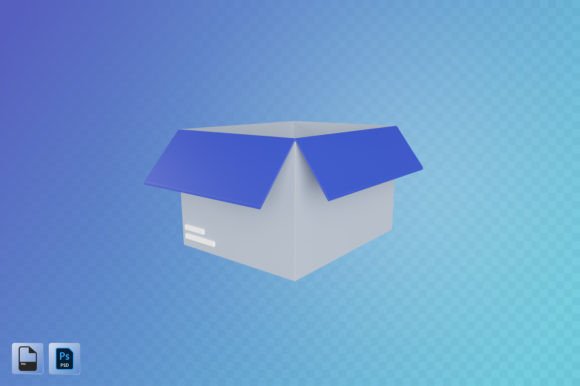
Open Package 3D Illustration: A Versatile Design Resource for Modern Projects
Open Package 3D Illustration is a design resource that provides high-quality, royalty-free 3D illustrations in popular file formats like PSD and PNG. These assets are typically delivered in a resolution of 2000x2000 pixels, making them suitable for use across a wide range of applications including app design, UI/UX development, web graphics, presentations, posters, and social media advertising. The term “open package” suggests a ready-to-use collection that allows designers to access and integrate visuals without the need for custom rendering or complex licensing agreements.
Why Designers Are Turning to Open Package 3D Illustrations
Design professionals and content creators often seek resources that save time while maintaining quality. Open Package 3D Illustration serves this need by offering pre-made, customizable visual elements that can be easily adapted to different contexts. Whether you're building an interactive app interface or crafting a compelling poster, these illustrations provide a level of detail and realism that elevates the overall design aesthetic without requiring advanced 3D modeling skills.
For those working on tight deadlines or with limited budgets, using existing 3D illustration packages can be more efficient than commissioning original artwork. This makes it particularly appealing to freelancers, startups, and small businesses looking to maintain a polished look without investing heavily in design tools or talent.
Benefits of Using Open Package 3D Illustrations
- High Resolution: At 2000x2000 pixels, the images are crisp and clear even when scaled up, which is essential for print materials and large digital displays.
- Multiple File Formats: Access to both PSD and PNG files gives users flexibility—whether they need full layer control in Photoshop or a transparent background for web use.
- Time Efficiency: Ready-made illustrations cut down on production time, allowing designers to focus on other aspects of their project.
- Cost-Effectiveness: Many open packages are available at a fraction of the cost of hiring a 3D artist or purchasing stock imagery from premium platforms.
- Creative Inspiration: These illustrations can spark ideas for layouts, color schemes, and visual storytelling, especially for beginners or those exploring new design directions.
Tradeoffs and Considerations
While Open Package 3D Illustration offers numerous advantages, there are also important factors to consider before integrating them into your workflow:
- Limited Customization: Although many packages allow for some level of editing (especially with layered PSD files), they may not offer the same degree of customization as bespoke 3D models created from scratch.
- Potential for Overuse: Since these illustrations are widely available, over-reliance on them could lead to a lack of originality in your designs, especially if used without thoughtful adaptation.
- Contextual Fit: Not every illustration will perfectly match your brand’s tone or project requirements. It's crucial to evaluate whether the style, subject matter, and color palette align with your intended message.
- Technical Requirements: Some PSD files may require specific versions of Adobe Photoshop or compatible software to edit effectively, so ensure your tools can handle the layers and effects included.
When Open Package 3D Illustrations Are a Strong Fit
Open Package 3D Illustrations are particularly well-suited for projects where speed and affordability are key priorities. Here are some common scenarios where they can shine:
- UI/UX Design: When creating mockups or prototypes for apps and websites, these illustrations add a professional touch without slowing down the design process.
- Social Media Advertising: For content creators and marketers, having a library of visually engaging 3D assets helps maintain consistency and saves time during campaign creation.
- Presentations and Infographics: In corporate or educational settings, 3D illustrations can simplify complex concepts and make slides more dynamic and memorable.
- Posters and Print Materials: High-resolution PNGs work well for printed media such as brochures, flyers, and event posters, ensuring sharp visuals regardless of size.
- Freelance and Small Business Projects: When clients expect professional results but don’t have the budget for custom 3D art, open packages provide a practical solution.
When Alternatives May Be Better
Despite their usefulness, there are situations where Open Package 3D Illustrations might not be the best choice. If your project requires highly unique or tailored visuals, or if the illustration must reflect a very specific brand identity, then commissioning original 3D art or using vector-based assets might be more appropriate.
Additionally, for long-term or commercial projects with evolving needs, relying solely on pre-made illustrations could become restrictive. You might find yourself needing to switch assets frequently if the initial selection doesn't grow with your brand. In such cases, investing in custom 3D modeling or using scalable vector graphics (SVG) could provide greater adaptability and longevity.
Practical Tips for Choosing the Right Asset
To determine if Open Package 3D Illustration is right for your needs, consider the following:
- Evaluate Your Timeline: If you're under pressure to deliver quickly, these illustrations can be a great shortcut. But if you have time to create something unique, that might better serve your goals.
- Check Licensing Terms: Even though the term “open package” implies accessibility, always verify usage rights to ensure compliance with any restrictions related to commercial or editorial use.
- Assess Brand Alignment: Compare the illustration styles with your brand guidelines. If they clash significantly, it may be worth spending extra time or money to get visuals that fit seamlessly.
- Test Across Platforms: Before finalizing your choice, preview how the illustrations appear on various devices and screen sizes to confirm their versatility and clarity.
- Consider Layered Files: Look for packages that include layered PSD files. They give you more control over colors, backgrounds, and composition, allowing for deeper integration into your design.
Expectations and Best Practices
Users should expect Open Package 3D Illustrations to be high-quality and ready for immediate use, but not necessarily one-size-fits-all. To get the most value out of these assets, treat them as components rather than finished products. Use them as a foundation upon which to build your own creative vision.
A best practice is to combine multiple illustrations from a single package to create a cohesive visual theme. Also, consider applying subtle effects or blending modes in Photoshop to enhance the illustration’s fit within your project. Don’t hesitate to modify lighting, shadows, or perspective slightly to better suit your layout.
Another consideration is the file format. While PNG is excellent for transparency and quick embedding in digital projects, PSD is ideal for further refinement. Always check if the package includes both to maximize your options.
Final Thoughts
Open Package 3D Illustration is a valuable tool for modern design workflows. Its strength lies in providing high-resolution, editable assets that cater to a variety of uses—from mobile app interfaces to eye-catching social media posts. However, its effectiveness depends on how well the illustrations meet your specific needs and how creatively you integrate them into your work.
If your goal is to produce professional-looking designs efficiently and affordably, Open Package 3D Illustration can be a solid choice. But for projects demanding a truly unique or evolving visual language, alternative approaches such as custom 3D modeling or vector illustration may be more suitable. Ultimately, the decision comes down to balancing quality, cost, and the need for personalization based on your project’s objectives.