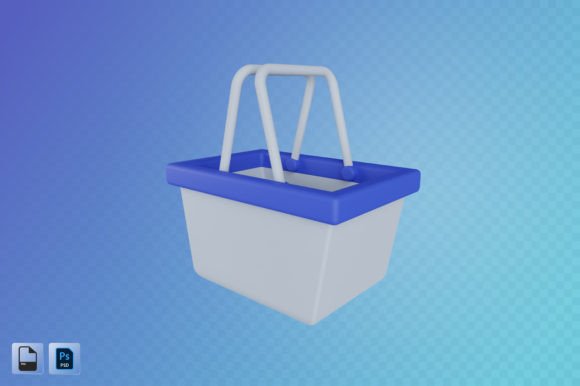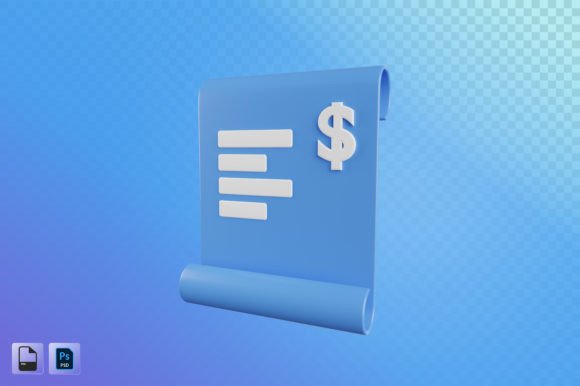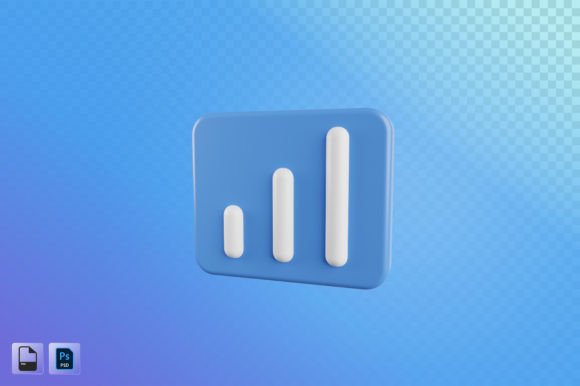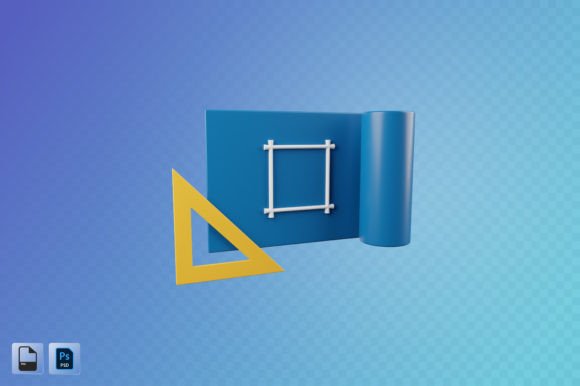
Understanding Mobile Application 3D Illustration: A Powerful Tool for Modern Design
In today's digital landscape, visual appeal plays a crucial role in the success of any product—especially mobile applications. As user expectations continue to rise, designers are turning to 3D illustration to create immersive and engaging experiences. One such application is mobile application 3D illustration, which has become a go-to solution for enhancing UI design, web visuals, presentations, posters, social media ads, and more. This article explores what mobile application 3D illustration is, why it matters, and how you can leverage its potential in your creative or business projects.
What Is Mobile Application 3D Illustration?
Mobile application 3D illustration refers to the use of three-dimensional graphics within the context of app design. These illustrations add depth, realism, and dynamism to an interface, helping users connect with the content on a more intuitive level. Unlike traditional 2D images, 3D illustrations simulate real-world perspectives using lighting, shadows, textures, and spatial positioning.
Typically created using specialized software like Blender, Adobe Dimension, or Cinema 4D, these illustrations come in high-resolution formats such as PSD and PNG files. For instance, a designer might generate a 3D image of a smartphone interacting with an app interface to showcase features visually. The resolution often reaches up to 3000x3000 pixels, ensuring crisp clarity across all devices and print materials.
The Purpose and Significance of 3D Illustrations in App Design
The primary purpose of incorporating 3D illustrations into mobile apps is to enhance user experience (UX) and user interface (UI) design. These visuals help simplify complex ideas, guide user interactions, and make interfaces feel more modern and professional. In education, they can be used to demonstrate concepts in a more interactive way. In business, they serve as compelling assets for branding and marketing.
Here’s why 3D illustrations are significant:
- Visual Hierarchy: They allow designers to emphasize key elements through depth and perspective.
- Brand Differentiation: Unique 3D graphics set your app apart from competitors in a crowded market.
- Engagement: Users are naturally drawn to dynamic and realistic visuals, increasing time spent on the app.
- Adaptability: High-quality 3D illustrations work seamlessly across platforms, including web, mobile, and even print.
Why Use High-Resolution 3D Illustrations?
When working with digital and print media, the quality of the visuals is paramount. That's where high-resolution 3D illustrations shine. A typical file size of 3000x3000 px ensures that the images remain sharp and detailed whether viewed on a smartphone screen or printed on a large poster. This level of detail supports both aesthetic and functional goals, especially when scaling or cropping is necessary for different uses.
How 3D Illustrations Fit Into Modern Projects
From startups to global corporations, 3D illustrations have found their place in various industries. Their adaptability makes them suitable for multiple purposes, such as:
- UI/UX Design: Enhancing navigation and making interfaces more visually appealing.
- Web Design: Adding a layer of sophistication and interactivity to websites.
- Presentation Graphics: Delivering impactful slides for pitches, proposals, or educational content.
- Posters and Print Media: Creating eye-catching designs that stand out in physical spaces.
- Social Media Advertising: Standing out in feeds with rich, animated visuals that catch attention quickly.
- Content Creation: Supporting blog posts, infographics, and explainer videos with engaging imagery.
Real-World Examples of 3D Illustration Use
Consider a fitness app that uses a 3D illustration of a person exercising. The illustration not only conveys the message clearly but also adds a motivational tone due to its lifelike appearance. Similarly, a finance app may use 3D icons to represent different financial tools or services, giving the interface a polished and professional look.
In e-commerce, 3D illustrations can showcase products in a virtual environment, allowing customers to visualize items before purchasing. These examples highlight how versatile and effective 3D illustrations can be in improving user engagement and communication.
Common Misconceptions About 3D Illustration
Despite their growing popularity, some people still hold misconceptions about 3D illustrations. Let's clear up a few:
- They’re Only for Big Budgets: While advanced 3D modeling can be resource-intensive, there are many affordable tools and templates available for beginners and small businesses.
- They’re Too Complex to Use: With the right resources and tutorials, creating or integrating 3D illustrations is accessible to most designers. Plus, ready-made PSD and PNG files simplify the process significantly.
- They Don’t Work Well Offline: Since many 3D illustrations are delivered as static PNG files, they perform just as well offline as they do online.
- Only for Tech Apps: Far from it! 3D illustrations are widely used in lifestyle, health, entertainment, and even non-digital sectors like packaging and advertising.
Choosing the Right Format: PSD vs. PNG
One of the advantages of using 3D illustrations for design needs is the availability of multiple file formats. PSD files (Photoshop Document) are ideal for further editing, as they preserve layers and transparency. This allows designers to tweak colors, lighting, or individual components without starting from scratch.
PNG files, on the other hand, are perfect for final output and direct use in web or app development. They support transparency and high quality, making them suitable for backgrounds, buttons, and icons. Having access to both formats gives you flexibility in how you integrate the illustrations into your project.
Creating Your Own 3D Illustrations or Using Pre-Made Assets
If you're new to 3D illustration, you might wonder whether you should create your own or purchase pre-made assets. Both options have pros and cons:
Creating Custom 3D Illustrations
- Pros:
- Complete control over style, color, and composition.
- Unique visuals that reflect your brand identity.
- High customization for specific use cases.
- Cons:
- Requires learning 3D modeling software.
- Time-consuming and may need technical expertise.
- Higher cost if outsourcing to professionals.
Using Pre-Made 3D Illustrations
- Pros:
- Quick and easy to implement.
- Cost-effective for most projects.
- Available in multiple formats like PSD and PNG.
- Designed for scalability and cross-platform compatibility.
- Cons:
- Limited customization unless the asset includes editable layers.
- Potential for generic or overused visuals if not chosen carefully.
For general design needs, pre-made 3D illustrations are often the best choice. They provide a balance between quality and efficiency, especially when you're looking for something that suits a wide range of projects.
Tools and Resources for Working with 3D Illustrations
Whether you're designing for a mobile app, website, or presentation, having the right tools makes all the difference. Here are some popular options for working with 3D illustrations:
- Adobe Photoshop: Ideal for editing PSD files, adjusting colors, and preparing assets for export.
- Blender: A free and open-source 3D modeling tool suitable for creating custom illustrations.
- Cinema 4D: Known for its user-friendly interface and powerful rendering capabilities.
- Adobe Dimension: Great for creating 3D graphics for UI design and quick prototyping.
- Online Marketplaces: Platforms like Shutterstock, Envato Elements, and Adobe Stock offer thousands of 3D illustration assets in various formats.
Many of these tools also allow you to export your work in high-resolution PNG files, making it easy to incorporate into your next design project.
Best Practices for Integrating 3D Illustrations into Your Projects
To get the most out of 3D illustrations, consider the following best practices:
- Align with Brand Identity: Choose styles and color palettes that match your overall brand guidelines.
- Maintain Visual Consistency: Ensure that all illustrations follow a similar artistic direction for a cohesive look.
- Optimize File Sizes: Even though they are high resolution, compress PNG files for faster load times on websites and apps.
- Use Sparingly: Avoid overloading your design with too many 3D elements; less can sometimes be more.
- Test Across Devices: Verify that the illustrations render correctly on different screen sizes and resolutions.
By following these tips, you can ensure that your 3D illustrations enhance rather than distract from the core functionality of your project.
Where Can You Get 3D Illustrations for Your Projects?
There are several ways to acquire 3D illustrations depending on your needs and budget. If you're looking for ready-to-use assets, many online stores offer 3D illustrations in PSD and PNG formats at competitive prices. These illustrations are typically designed by professional artists and optimized for various applications like app UI, web design, and social media.
You can also collaborate with freelance 3D artists or agencies to create bespoke illustrations tailored to your brand. Be sure to communicate your requirements clearly, including preferred dimensions (like 3000x3000 px), file types, and intended usage. This will help streamline the design process and ensure you get exactly what you need.
Benefits of Purchasing Ready-Made 3D Illustrations
- Save time and effort in the design process.
- Access to high-quality assets that require no prior 3D modeling skills.
- Flexibility to edit and adapt the illustrations as needed.
- Cost-effective compared to hiring a 3D artist for custom work.
- Ready for immediate use in your app, website, or marketing collateral.
Future Trends in Mobile Application 3D Illustration
As technology evolves, so does the use of 3D illustrations in mobile app design. Some upcoming trends include:
- Interactive 3D Elements: Users can now interact with 3D objects directly within apps, adding another layer of engagement.
- Augmented Reality Integration: Combining 3D illustrations with AR to create immersive experiences for users.
- AI-Generated 3D Art: Artificial intelligence is beginning to play a role in generating realistic 3D models and scenes, reducing the time required for manual creation.
- Minimalist 3D Styles: Clean and stylized 3D illustrations are becoming popular for their ability to convey simplicity while maintaining visual interest.
These innovations suggest that 3D illustration will continue to grow in importance, especially for those who want to stay ahead in the design world.
Conclusion
Mobile application 3D illustration is more than just a trend—it's a powerful design tool that enhances visual storytelling, improves user engagement, and elevates the overall look of digital and print projects. Whether you're building an app, designing a website, or creating marketing materials, 3D illustrations offer a fresh and professional approach.
With options like high-resolution 3000x3000 px illustrations, and access to both PSD and PNG files, you can easily incorporate these visuals into your workflow. From UI design to social media advertising, the versatility of 3D illustrations makes them a valuable asset for any creative endeavor.
So, if you're looking to bring your projects to life with depth and realism, consider exploring 3D illustration as part of your design toolkit. It's a step toward creating not just beautiful, but meaningful and impactful visuals that resonate with your audience.