Blueprint 3D Illustration: A Powerful Tool for Modern Design Projects
In today’s fast-paced digital world, visual content plays a pivotal role in capturing attention and conveying messages effectively. Whether you're an app developer, web designer, content creator, or marketing professional, having high-quality, versatile assets is essential. This is where Blueprint 3D Illustration steps in — a dynamic design solution that brings depth, clarity, and creativity to your projects.
What Is Blueprint 3D Illustration?
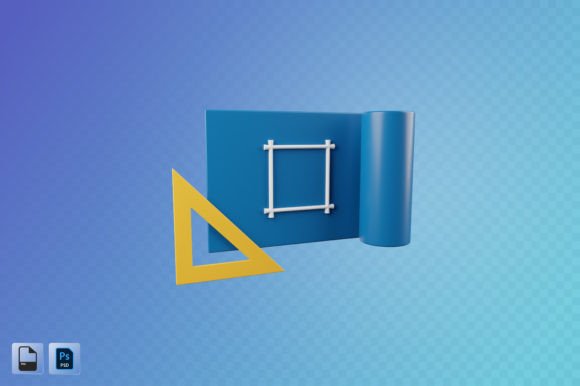
Blueprint 3D illustration refers to the creation of three-dimensional visuals that are designed with a clear structure and purpose, much like architectural blueprints. These illustrations are not only visually engaging but also highly functional, making them ideal for use in UI/UX design, presentations, posters, social media advertising, and more. The key difference between standard 3D illustrations and blueprint-style ones lies in their emphasis on clarity, detail, and modifiability.
Blueprint 3D Illustrations often include layered components, clean lines, and precise geometry, allowing designers to easily adapt and integrate them into various platforms and formats. They’re typically delivered as both PSD and PNG files, offering flexibility whether you need to edit the layers or export a flat graphic for immediate use.
Common Challenges in Design Projects
Designers and content creators often face several hurdles when working on visual assets:
- Lack of high-resolution graphics that scale well across different platforms
- Time-consuming customization of images to fit specific project needs
- Difficulty finding consistent styles that align with brand identity
- Need for editable elements to make last-minute changes or updates
- Ensuring visuals remain relevant and impactful over time
These challenges can slow down production timelines and compromise the quality of the final output. That’s why having access to ready-to-use, yet customizable 3D illustrations is a game-changer for many professionals.
How Blueprint 3D Illustration Solves These Issues
Blueprint 3D Illustration offers a practical solution by providing detailed, scalable, and editable visuals that cater to a wide range of design needs. With its structured approach, it allows users to break down complex scenes into manageable parts, making it easier to modify individual elements without affecting the overall composition.
For example, if you're designing a mobile app interface and need to showcase a product in a futuristic setting, a Blueprint 3D Illustration can be used to present the item from multiple angles while maintaining consistency in style and branding. Similarly, for web design, these illustrations help create immersive experiences without requiring extensive coding or development resources.
Practical Applications Across Industries
The versatility of Blueprint 3D illustration makes it a valuable asset in numerous fields:
App and Web Design
In UI and UX design, Blueprint 3D Illustrations add a layer of sophistication and realism to mockups and prototypes. They can be used to represent features, products, or abstract concepts in a way that feels tangible and user-friendly. Their high resolution (often 3000x3000 px) ensures they look sharp on any screen size, from mobile phones to desktop monitors.
Presentation and Poster Design
When creating slides or posters for conferences, exhibitions, or educational purposes, these illustrations help simplify complex ideas through visual storytelling. Their clean, modular design supports easy integration into slide decks or print layouts, enhancing the professionalism and impact of your message.
Social Media Advertising
Eye-catching visuals are crucial in the competitive landscape of social media marketing. Blueprint 3D Illustrations offer a unique aesthetic that stands out in feeds and stories. Because they come in both PSD and PNG formats, marketers can tweak colors, add text, or animate certain parts without starting from scratch.
Content Creation
Content creators, including bloggers, YouTubers, and influencers, benefit from using Blueprint 3D Illustrations to enhance their posts and videos. These assets can illustrate processes, explain services, or highlight features in a way that resonates with audiences and increases engagement.
Why Choose High-Resolution Files?
One of the standout benefits of Blueprint 3D Illustration is the delivery of high-resolution 3000x3000 px files. This level of detail ensures that your visuals remain crisp and clear even when scaled up for large-format printing or displayed on high-definition screens. It also gives you the freedom to crop or zoom in without losing image quality — a must-have for responsive design and multi-channel campaigns.
High-resolution assets are especially important for:
- Print materials such as brochures, banners, and flyers
- Retina displays and 4K monitors
- Video backgrounds and animations
- Large-screen presentations at events or in retail environments
Using PSD and PNG Files Effectively
Receiving your Blueprint 3D Illustration in both PSD and PNG formats opens up multiple avenues for implementation. Here’s how each format can be used strategically:
- PSD Files: Ideal for designers who want full control over the illustration. You can adjust colors, lighting, and individual layers to match your project's specifications. This makes it perfect for custom branding, interactive designs, or integrating with other vector-based artwork.
- PNG Files: Great for quick deployment. Whether you're uploading to a website, social media platform, or presentation software, PNGs provide transparency options and maintain clarity without needing advanced editing tools.
By leveraging both file types, you can streamline your workflow and ensure your visuals perform well across all channels.
Real-World Examples and Use Cases
Let’s explore a few real-world scenarios where Blueprint 3D Illustration has made a significant impact:
Example 1: Tech Company Product Launch
A startup launching a new smartwatch needed visuals that could show the device in action across multiple platforms. Using a Blueprint 3D Illustration, they created a series of mockups showing the watch on wrists, on desks, and within mobile apps. The layered PSD files allowed them to quickly swap out color variations and logos for different markets.
Example 2: E-Learning Platform Development
An e-learning company wanted to create engaging course thumbnails and infographics. They used Blueprint 3D Illustrations to depict learning tools, digital classrooms, and user interfaces in a modern, clean style. The PNG versions were uploaded directly to their site, while the PSDs were modified to reflect different subject areas and branding guidelines.
Example 3: Social Media Campaign for a SaaS Product
A SaaS business ran a campaign showcasing their analytics dashboard. By incorporating Blueprint 3D Illustrations of data flows, charts, and interface elements, they made the product feel intuitive and powerful. The ability to customize the illustrations helped them align the visuals with each platform's layout requirements — from Instagram carousels to LinkedIn articles.
Recommendations for Getting the Most Out of Your Assets
To maximize the value of your Blueprint 3D Illustration, consider the following tips:
- Plan ahead: Identify which parts of the illustration you might need to change before downloading. This helps you choose the right version or request modifications if available.
- Use layer names wisely: When opening the PSD file, take time to understand the layer organization. Proper naming conventions make editing faster and more efficient.
- Combine with other assets: Don’t hesitate to blend your 3D illustration with icons, fonts, or photography to create a cohesive visual language.
- Test on multiple devices: Even though the illustration is high-resolution, always preview it on different screens to ensure it looks great everywhere.
Who Can Benefit Most From Blueprint 3D Illustration?
Different professionals may find varying levels of usefulness in Blueprint 3D Illustrations:
- Graphic Designers: Appreciate the layered structure and high resolution for client work and portfolio pieces.
- Web Developers: Value the PNG files for quick embedding and responsiveness in site builds.
- Marketing Teams: Use them to create compelling ads, email headers, and promotional banners tailored to their brand.
- Freelance Content Creators: Leverage the illustrations to add depth and professionalism to blogs, YouTube thumbnails, and online courses.
No matter your background or project type, the adaptability of Blueprint 3D Illustration ensures there’s something for everyone.
Considerations Before Implementation
Before diving into using Blueprint 3D Illustrations, keep the following considerations in mind:
- Style Consistency: Ensure the illustration matches your existing brand visuals. If adjustments are needed, the PSD file makes this possible.
- File Size Management: While high resolution is a plus, it can increase file sizes. Optimize images before publishing to maintain fast load times.
- License Terms: Confirm usage rights to avoid legal issues, especially when deploying for commercial purposes or rebranding.
- Software Compatibility: Make sure your design tools support the file formats you receive. Adobe Photoshop works best with PSDs, while PNGs are universally supported.
Conclusion
Blueprint 3D Illustration is more than just a visual tool — it’s a strategic resource that enhances the quality, efficiency, and impact of your design projects. Whether you're building an app, crafting a poster, or planning a social media campaign, these illustrations offer the precision and flexibility needed to stand out in today’s competitive market.
With high-resolution files, layered PSDs, and PNGs for instant use, Blueprint 3D Illustration empowers designers and content creators to bring their visions to life quickly and professionally. As you continue to explore creative solutions for your next big project, remember that the right visual assets can transform complexity into clarity and effort into excellence.