Enhancing Animation with Realistic Fire Sets and Torch Flame Effects
Fire is a powerful visual element that can bring animation to life, adding drama, intensity, and realism. Whether you're creating a cinematic scene for a blockbuster movie or designing a small torch flame for an isolated icon, having access to realistic fire sets for animation is essential. These resources help animators simulate the natural behavior of flames, from flickering torches to roaring blazes, without compromising on quality or performance.
The Importance of Realism in Animated Fire
When it comes to animation, realistic fire effects are more than just aesthetic enhancements—they serve as critical storytelling tools. Flames convey heat, danger, warmth, or even transformation depending on their context. A realistic fire set for animation ensures that these elements are portrayed accurately, helping audiences connect emotionally with the visuals.
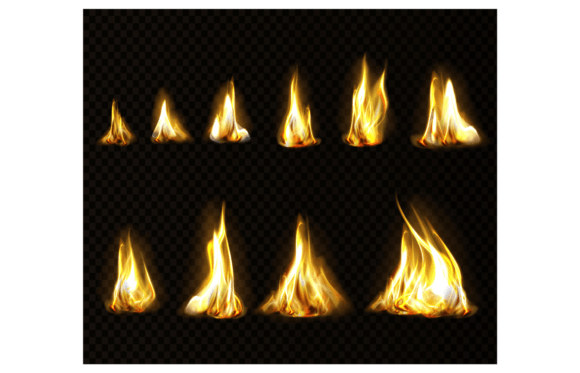
In traditional hand-drawn animation, achieving dynamic fire effects was a painstaking process requiring frame-by-frame drawing. With modern digital tools, artists can now use 3D vector illustrations, such as a torch flame isolated on a transparent background, to integrate high-quality fire into their projects quickly and efficiently. These assets maintain clarity at any scale and blend seamlessly into various environments, making them invaluable for both 2D and 3D animation workflows.
Characteristics of High-Quality Fire Assets
Realistic fire sets for animation typically include a variety of components designed to mimic the complexity of real flames. Key characteristics include:
- Flicker Dynamics: Authentic fire simulations must capture the irregular, unpredictable movement of flames. This is often achieved through procedural animations or physics-based rendering techniques.
- Color Variation: A burning blaze effect usually features a gradient of colors—from deep oranges to bright yellows and reds—creating depth and visual interest.
- Glow and Light Emission: The glow orange and yellow shining flare design elements help simulate how fire interacts with surrounding objects and lightens dark areas naturally.
- Smoke and Embers: To enhance realism, many fire sets also include smoke particles and embers that rise and disperse in a believable manner.
These details collectively contribute to a convincing portrayal of fire that can elevate the overall quality of an animated project.
Advantages of Using Pre-Designed Fire Elements
One of the biggest advantages of using pre-designed fire assets is the time and effort they save. Instead of building every detail from scratch, animators can focus on integrating and customizing these elements within their scenes. For instance, a torch flame isolated on transparent background allows for easy placement into different settings while maintaining visual consistency.
Additionally, using a realistic fire set for animation offers scalability and adaptability. These assets are often available in multiple formats, including PNG, SVG, and 3D models, ensuring compatibility across software platforms like Adobe After Effects, Blender, and Maya. They also allow for adjustments in size, intensity, and color temperature, enabling creators to match the fire's appearance to specific lighting conditions or artistic visions.
Common Use Cases for Fire Animation Assets
Realistic fire sets find applications in a wide range of animation scenarios. Here are some common use cases:
- Cinematic Visual Effects: In feature films, fire sequences are often simulated using digital assets. A burning blaze effect can be used to depict forest fires, explosions, or magical phenomena like dragon breath.
- Game Development: Video game designers frequently use fire effects to create immersive environments. From campfires in open-world adventures to flaming arrows in action scenes, these assets add dynamism to gameplay.
- Product Visualization: Companies producing camping gear or outdoor equipment might use a torch flame illustration to showcase their products in use under natural lighting conditions.
- Educational Content: Educators and researchers can incorporate fire animations into science lessons about combustion, energy transfer, or environmental impact, making complex topics more engaging and easier to understand.
- UI/UX Design: A glowing flame icon or clip art can serve as a compelling design element in user interfaces, especially for apps or websites related to heating, energy, or adventure themes.
Workflow Integration: How to Use Fire Assets Effectively
Integrating fire assets into an animation workflow requires attention to technical and creative considerations. Start by selecting the right format for your needs. If you're working in a 3D environment, look for assets with alpha channels or transparent backgrounds to ensure clean compositing.
For example, a 3D vector illustration of a torch flame can be imported into a scene and manipulated using keyframes to adjust brightness, rotation, and position over time. Some advanced tools even allow for particle simulation, enabling the creation of drifting embers or billowing smoke around the flame.
Another important factor is layering. Realistic fire rarely exists in isolation; it interacts with its surroundings. Consider adding ambient occlusion, light flares, and reflections to make the fire feel integrated into the environment rather than pasted in. This technique enhances immersion and realism, especially when combined with motion blur and depth-of-field effects.
Design Elements That Make Fire Stand Out
Among the most effective design elements in fire animation are the glow orange and yellow shining flare. These hues not only represent the core of the flame but also influence the mood and tone of the scene. Warm, golden tones evoke feelings of safety and comfort, while intense, fiery reds suggest danger or urgency.
Transparency and contrast are equally important. When using a torch flame isolated on a transparent background, it's crucial to balance the flame's luminosity against the backdrop. Too much contrast can make the flame appear artificial, whereas subtle blending helps it feel part of the scene.
Some artists also experiment with texture overlays to give fire a more organic look. By combining a base flame asset with additional layers of ash, soot, or heat distortion, they can achieve a more nuanced and lifelike representation of fire.
Trends in Fire Animation and Vector Illustration
Recent trends in animation have emphasized the importance of non-destructive workflows and modular asset libraries. Many creators now prefer to use 3D vector illustrations for fire because they offer flexibility and scalability without the need for rasterization. These vectors can be resized infinitely without losing quality, which is particularly useful for mobile app developers and web designers.
Moreover, there's been a growing demand for customizable fire assets. Rather than using static images, animators seek tools that allow them to tweak parameters such as intensity, spread, and duration. This adaptability makes it easier to reuse fire assets across different projects and scenarios.
Environmental storytelling has also become a popular trend, where fire serves as a subtle but powerful narrative device. A small torch flame clip art might indicate exploration in a dark cave, while a large burning blaze could symbolize destruction or rebirth in a fantasy setting.
Considerations for Choosing Fire Assets
Not all fire assets are created equal, and choosing the right one depends on several factors:
- Resolution and Format: Ensure the asset matches the resolution requirements of your project. High-resolution PNGs are suitable for print, while SVG files work best for scalable digital use.
- License Type: Verify whether the asset is royalty-free or requires attribution. Some sources provide free versions for personal use but charge for commercial applications.
- Compatibility: Check if the file works with your preferred software. While most modern fire assets are compatible with major platforms, it's always wise to test before committing.
- Art Style: Choose assets that align with the visual tone of your animation. A stylized torch flame may not fit well in a hyper-realistic documentary-style project.
Case Studies and Observations
Many successful animation projects rely on high-quality fire assets to enhance realism. For instance, in the animated film How to Train Your Dragon, the dragons' fiery breath was created using a combination of 3D modeling and pre-rendered fire assets. This approach allowed the team to maintain consistency while reducing rendering times.
Similarly, in video game development, titles like The Witcher 3 use detailed fire effects to simulate campfires and battlefield explosions. These effects are built using layered assets, including a torch flame isolated on a transparent background, to ensure they remain visually distinct yet harmonious with the environment.
On the smaller scale, a clip art style flame can be incredibly effective in branding materials or infographics. Its simplicity and clarity make it ideal for communicating ideas like passion, innovation, or transformation in a visual format.
Tools and Resources for Finding Fire Assets
There are numerous online marketplaces and design repositories where you can find realistic fire sets for animation. Platforms like Adobe Stock, Shutterstock, and Vecteezy offer extensive collections of 3D vector illustrations and icons, including the burning blaze effect and torch flame designs.
For those interested in open-source or community-driven assets, sites like OpenGameArt and Itch.io host freely available fire graphics that can be modified and reused under permissive licenses. Always review the licensing agreement before downloading to avoid legal issues.
Customizing Fire Assets for Unique Projects
While pre-made fire assets are convenient, customization is often necessary to meet the unique demands of a project. Most fire illustrations come with editable layers, allowing users to modify aspects like size, color, and intensity. Advanced users might combine multiple fire assets—such as a main flame and a secondary glow—to build a more complex and realistic effect.
For example, if you're creating a night scene featuring a campfire, you might start with a basic torch flame illustration and then add a soft orange glow to the surrounding area using a separate light flare asset. This method mimics how real firelight affects the environment, enhancing the viewer’s sense of place and atmosphere.
It's also worth experimenting with post-processing effects like bloom and lens flare to replicate the way fire appears through camera lenses or human eyes. These subtle touches can significantly improve the perceived realism of your animation.
Future of Fire Animation in Digital Media
As animation technology continues to evolve, we can expect even more sophisticated fire assets to emerge. AI-driven tools are already being developed to generate realistic fire effects automatically, based on environmental data like wind speed and humidity. These innovations will streamline workflows and allow for more dynamic interactions between fire and other animated elements.
Meanwhile, the increasing popularity of virtual reality (VR) and augmented reality (AR) means that fire assets will need to perform well in three-dimensional spaces. This includes accurate shadow casting, volumetric rendering, and interactive behaviors—features that future realistic fire sets for animation will likely support natively.
Conclusion
Whether you're a professional animator, a hobbyist designer, or an educator looking to visualize scientific concepts, having access to realistic fire sets for animation can greatly enhance your work. From the burning blaze effect to a simple torch flame isolated on a transparent background, these assets offer versatility, quality, and ease of integration. By understanding the key characteristics and best practices for using fire in animation, you can create compelling visuals that captivate and inform your audience.