3D Smartphone: A Modern Design Element for Digital Projects
The 3D smartphone is a digital asset that brings depth, realism, and visual interest to any online platform. It represents the latest evolution in design elements, moving beyond flat or two-dimensional icons to offer a more immersive and interactive visual experience. Whether you're working on an e-commerce site, a blog, a mobile app, or a presentation, integrating a 3D smartphone can elevate your project’s aesthetic and help communicate modernity and technological sophistication.
What Is a 3D Smartphone?
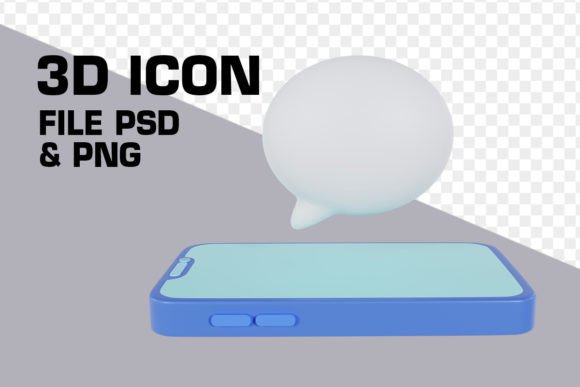
A 3D smartphone refers to a digital illustration or graphic representation of a smartphone rendered in three dimensions. Unlike traditional 2D icons, which are often limited to simple outlines or flat colors, a 3D smartphone showcases realistic textures, lighting effects, and spatial depth. This type of graphic mimics how a real-world object would appear from different angles, making it visually engaging and contextually relevant for tech-centric themes.
One of the most common formats for using a 3D smartphone is as a transparent background PNG file. This allows the image to be layered over various backgrounds without the distraction of a solid color box. Additionally, many 3D smartphone assets come with layered Photoshop (PSD) files, giving designers greater control over individual components such as screen content, casing, and shadows.
Key Features of 3D Smartphone Assets
- High Resolution: These assets are typically available in high-resolution formats suitable for both web and print use.
- Layered PSD File: Provides flexibility for customization, including editing the screen display or adjusting lighting and materials.
- PNG with Transparent Background: Ensures seamless integration into diverse layouts and designs without the need for additional masking.
- Minimalistic Style: Offers a clean, modern look ideal for minimalist branding or user interface (UI) design.
When to Use a 3D Smartphone
A 3D smartphone is particularly useful in scenarios where you want to convey a sense of innovation or highlight technology-related products or services. For instance:
- Online shops selling gadgets or accessories can use a 3D smartphone to showcase their product offerings in a dynamic way.
- Blogs or websites focused on mobile trends, software updates, or reviews benefit from using 3D smartphones to illustrate points visually.
- Social media campaigns aiming to promote new apps or phone features can leverage these graphics for eye-catching posts and stories.
- App presentations or demos can include a 3D smartphone icon to represent the device being used or developed.
In all these cases, the minimalistic nature of the 3D smartphone helps maintain a professional appearance while adding a touch of modernity and clarity.
Strengths of Using a 3D Smartphone
There are several advantages to incorporating a 3D smartphone into your design projects:
- Visual Realism: The three-dimensional rendering makes the smartphone appear lifelike, helping users instantly recognize the subject matter.
- Brand Alignment: If your brand emphasizes innovation or cutting-edge technology, a 3D smartphone can reinforce those values effectively.
- Design Versatility: With layered PSD files, designers can tailor the image to match specific branding guidelines or UI requirements.
- Professional Quality: High-resolution outputs ensure the asset looks sharp on screens of all sizes, from mobile devices to large desktop monitors.
Tradeoffs and Limitations
While a 3D smartphone offers numerous benefits, it's important to consider its limitations and potential tradeoffs:
- File Size: Due to the complexity of 3D renderings, these assets may have larger file sizes compared to simpler 2D icons, which could affect website loading speeds if not optimized properly.
- Customization Requirements: While layered PSD files provide flexibility, they also require some level of design expertise to edit effectively. Beginners might find it challenging to modify advanced elements like lighting or reflections.
- Cultural or Contextual Relevance: In some industries or contexts, a 3D smartphone may feel out of place. For example, in a vintage-themed design or a highly abstract art project, a more stylized or symbolic representation might be preferable.
These factors should be weighed based on the specific needs of your project and audience expectations.
How Does a 3D Smartphone Compare to Other Visual Options?
When deciding whether to use a 3D smartphone, it’s helpful to compare it to other types of visual assets:
Flat vs. 3D Icons
Flat icons are popular for their simplicity and speed of loading. They are widely used in UI/UX design due to their clean lines and lack of unnecessary detail. However, when you need to emphasize realism or show product details, a 3D smartphone stands out. It can serve as a more effective placeholder for showcasing actual app interfaces or phone features.
Photographic Images vs. 3D Renders
Photographs of smartphones can be realistic but are often limited by perspective and lighting. They also require physical samples and controlled environments for consistent results. A 3D smartphone, on the other hand, is scalable and modifiable, allowing for endless variations without needing to reshoot images.
Vector Graphics vs. 3D Assets
Vector-based smartphone icons are lightweight and easily editable within vector graphic tools like Adobe Illustrator. However, they lack the dimensional qualities that make 3D smartphone assets stand out. Vector graphics are better suited for infographics, charts, or simpler design needs where detail isn't the focus.
Best-Fit Situations for a 3D Smartphone
A 3D smartphone is most effective in the following situations:
- Highlighting new phone models or features in marketing materials
- Creating mockups for app or website designs
- Enhancing product pages for electronics retailers
- Adding visual interest to whitepapers or case studies about mobile technology
- Illustrating tutorials or guides related to smartphone usage or development
For example, if you're designing a landing page for a new mobile application, placing a 3D smartphone in the center of the layout can immediately signal to users what the app is for and how it functions. Similarly, in a presentation discussing future mobile trends, a 3D smartphone can serve as a focal point to demonstrate upcoming hardware or software innovations.
Alternatives to Consider
If a 3D smartphone doesn’t fit your current project, there are several alternatives worth considering:
- Abstract Phone Shapes: These are stylized representations that emphasize form over realism. Ideal for creative or artistic projects.
- Line Art Icons: Minimalist and scalable, these are great for wireframes, prototypes, or low-bandwidth environments.
- Animated Phone Models: If you’re looking to add motion to your design, animated 3D phones can provide a more engaging experience, especially in videos or interactive web banners.
- Infographic Elements: Simplified versions of smartphones used in data visualization or educational content.
Each of these options has its own strengths and best-fit applications. Choosing the right one depends on your design goals, target audience, and technical constraints.
Decision Factors When Selecting a 3D Smartphone Asset
To determine if a 3D smartphone is the best choice for your project, consider the following questions:
- Do I need a realistic visual representation of a smartphone to support my message?
- Will the design benefit from having a transparent background for layering or overlay purposes?
- Am I targeting an audience that values modern aesthetics and technology?
- Do I have access to design tools like Photoshop to customize the layered PSD file?
- Is the file size acceptable for my website or platform’s performance standards?
Answering these questions can help clarify whether a 3D smartphone aligns with your needs or if another visual format might be more appropriate.
Practical Applications Across Industries
Here are some real-world examples of how a 3D smartphone can be applied across different fields:
Technology Blogs and Websites
On a blog discussing the latest smartphone OS updates, a 3D smartphone with a transparent background can be placed behind text to subtly draw attention to the topic. The layered PSD file allows the designer to insert screenshots of the updated OS directly onto the phone screen, creating a cohesive and informative visual narrative.
E-Commerce Platforms
An online store selling phone cases might use a 3D smartphone as part of a banner promoting seasonal collections. By customizing the phone model and screen content, the asset becomes adaptable for different product categories and marketing campaigns.
Corporate Presentations
During a pitch to investors for a mobile app startup, a 3D smartphone can serve as a central element in the slides. Its realistic appearance adds credibility to the presentation, showing exactly how the app will function on a modern device.
Social Media Content
For Instagram or Facebook posts promoting a new feature release, a 3D smartphone with a transparent background can be overlaid on vibrant promotional imagery. The result is a clean, impactful post that highlights the feature without overwhelming the viewer with too much information.
Final Thoughts on Implementation
Integrating a 3D smartphone into your design toolkit can be a strategic move, especially when your project requires a blend of realism and style. As a versatile and customizable asset, it supports a wide range of applications—from branding and marketing to education and interface design. However, it’s crucial to evaluate its suitability based on your specific context and audience preferences.
By understanding the differences between 3D smartphone assets and other visual options, you can choose the most effective approach for your next project. The key is to use the asset where it adds value—whether through enhanced realism, adaptability, or visual appeal—without compromising the overall design integrity or performance.