Turkish Fashion for Floor Tiles Carpet: A Unique Blend of Tradition and Modern Design
The Turkish Fashion for Floor Tiles Carpet has emerged as a captivating trend in the world of interior design, offering a seamless fusion of cultural heritage and contemporary aesthetics. This innovative approach draws inspiration from traditional Turkish rug patterns and floor tile designs, reinterpreting them into modern carpet textures and abstract background motifs. The result is an elegant, versatile style that appeals to those who appreciate both historical artistry and modern minimalism.
Origins and Distinctive Features
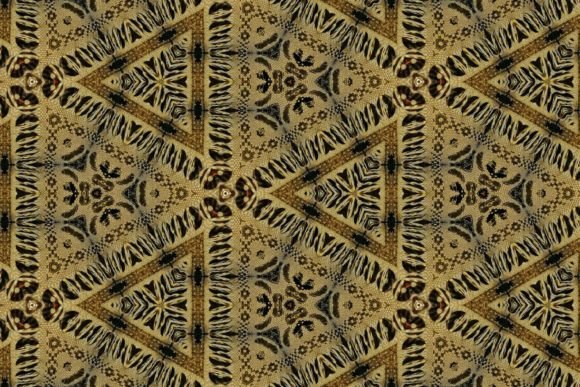
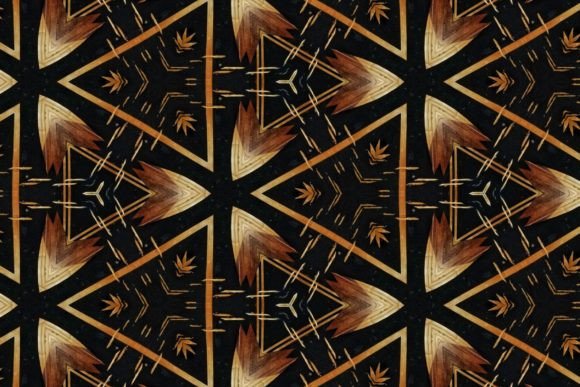
Turkish fashion for floor tiles carpets originate from the rich tapestry of Ottoman and Anatolian textile traditions. These carpets often feature intricate Arabesque ethnic rugs texture, which is characterized by floral motifs, symmetrical compositions, and a deep sense of rhythm and flow. Unlike conventional carpets, this style incorporates elements typically found in ceramic tiling—such as geometric shapes and repeating patterns—to create a unique visual language.
A key distinguishing factor is the use of geometric stripe ornament cover photos or 3D illustrations that mimic the layered complexity of Turkish tiles. The patterns are carefully designed to echo the craftsmanship of handmade carpets while embracing the clean lines and structured layouts of tilework. This dual influence makes Turkish Fashion for Floor Tiles Carpets stand out in both residential and commercial settings.
Design Elements and Visual Appeal
One of the most appealing aspects of this style is its adaptability. The repeated pattern design for Moroccan textile print can be subtly integrated into wall backgrounds or boldly showcased on floors. In digital formats, such as website user interface themes or trendy wallpapers, these designs bring a touch of global elegance with their vibrant yet balanced color schemes and timeless motifs.
- Abstract Pattern Backgrounds: These designs often serve as modern backdrops for spaces, blending the ornate with the minimalistic. They work especially well in open-plan living areas or office environments where a statement without clutter is desired.
- Embroidery and Batik Influences: Traditional techniques like embroidery and batik have been creatively adapted into the fabric of these carpets and backgrounds, adding depth and texture that elevate the overall look.
- 3D Illustration Art: Digital versions frequently employ 3D illustration to simulate the layered effect of handwoven textiles and mosaic tiles, making them visually dynamic even in static form.
Strengths of Turkish Fashion for Floor Tiles Carpet
The strengths of this design style lie in its versatility and aesthetic richness. It allows homeowners and designers to infuse a room with character without overwhelming it. Here are some notable advantages:
- Cultural Depth: Each pattern carries a story rooted in centuries-old Turkish craftsmanship, providing an authentic touch to any space.
- Modern Adaptability: These designs easily transition between classic and contemporary interiors, making them suitable for a wide range of architectural styles.
- Customization Options: Whether used in flooring, wall art, or digital interfaces, Turkish Fashion for Floor Tiles Carpet offers ample room for personalization in colors, materials, and scale.
- Visual Cohesion: The repeated patterns and geometric elements help unify large spaces, guiding the eye and creating a sense of order.
Tradeoffs and Limitations
While the Turkish Fashion for Floor Tiles Carpet is undeniably stylish, it’s important to consider potential tradeoffs before committing to this design choice:
- Maintenance Considerations: Carpets with detailed patterns may require more frequent cleaning to maintain their appearance, especially in high-traffic areas.
- Material Constraints: Some interpretations of this style use synthetic materials for cost-effectiveness, which may not offer the same durability or warmth as natural fibers.
- Space Sensitivity: Bold patterns and textures can dominate smaller rooms if not balanced properly with furniture and lighting choices.
- Cost Variability: High-quality, handcrafted versions of these carpets tend to be expensive, whereas machine-made alternatives may sacrifice authenticity for affordability.
Best-Fit Situations and Use Cases
The Turkish Fashion for Floor Tiles Carpet excels in environments where a blend of tradition and modernity is desired. Ideal applications include:
- Interior Decoration Ideas: Perfect for living rooms, dining areas, or entryways where a bold yet refined pattern can anchor the design.
- Commercial Spaces: Hotels, cafes, and boutique stores benefit from the luxurious yet welcoming feel of this design.
- Digital Applications: As part of a user interface theme or cover photo, it adds a culturally rich element to branding and web design.
- Wallpaper and Textiles: Abstract pattern backgrounds based on this motif provide a fresh take on traditional decor, ideal for accent walls or decorative screens.
Comparing with Similar Design Styles
When evaluating Turkish Fashion for Floor Tiles Carpet, it's helpful to compare it with other popular design approaches:
1. Moroccan Textile Prints
Moroccan textile prints also feature bold, repetitive patterns and rich colors. However, they often lean more toward asymmetry and organic forms compared to the structured geometry of Turkish designs. While both styles celebrate tradition, the Turkish variant brings a more measured, formal composition that integrates well with modern architecture.
2. Geometric Stripe Designs
Geometric stripe designs are minimalist by nature, focusing on clean lines and symmetry. In contrast, Turkish Fashion for Floor Tiles Carpet combines stripes with intricate motifs, giving it a more complex and narrative-driven appeal. Stripes alone might lack the storytelling quality that Turkish patterns inherently possess.
3. Abstract Wall Patterns
Abstract patterns are usually non-representational and focus on color and shape dynamics. Turkish-inspired abstract backgrounds often retain subtle references to historical motifs, offering a bridge between abstraction and symbolism. This makes them more versatile for those who want to avoid literal imagery but still appreciate cultural context.
How to Choose the Right Option for You
Choosing whether Turkish Fashion for Floor Tiles Carpet suits your needs depends on several factors:
- Style Preference: If you're drawn to patterns that tell a story and reflect cultural heritage, this design is likely a good fit.
- Room Size and Layout: For small or narrow spaces, opt for lighter tones and simpler iterations of the design to prevent overcrowding the visual field.
- Budget and Material Needs: Decide whether you prioritize authenticity (handmade wool or silk) or practicality (machine-woven synthetics).
- Usage Context: In commercial settings, durability and ease of maintenance become critical. In residential settings, comfort and aesthetic harmony take precedence.
Real-World Examples and Practical Applications
Let’s explore how this style translates into real-world scenarios:
Residential Interior Design
In a home setting, imagine using a Turkish-inspired carpet with geometric stripes in a sunlit living room. Pair it with neutral-toned furniture to let the carpet’s patterns shine. Alternatively, an abstract background inspired by Arabesque rugs could serve as a focal point behind a fireplace or headboard, adding dimension without bulk.
Office and Commercial Spaces
For a boutique hotel lobby, a digitally printed Turkish-style wallpaper with a repeated pattern could evoke luxury and uniqueness. Similarly, a restaurant might incorporate a large-scale 3D illustration carpet featuring traditional motifs to create a warm, inviting atmosphere.
Web and UI Design
In digital contexts, the Turkish Fashion for Floor Tiles Carpet concept is applied through user interface themes. For example, a travel or lifestyle brand might use a subtle abstract pattern in the background to reflect cultural diversity and artistic sophistication. These digital adaptations often feature softer gradients and less density than their physical counterparts, ensuring readability and usability.
Alternatives Worth Considering
If the Turkish Fashion for Floor Tiles Carpet doesn’t align perfectly with your vision, here are some alternative options to explore:
- Contemporary Flatweave Rugs: These offer a similar geometric appeal with a flatter profile and easier maintenance.
- Scandinavian Minimalist Patterns: For a cleaner, more subdued look, Scandinavian designs emphasize simplicity and functionality over intricate detailing.
- Modern Mosaic Tiling: If you prefer hard surfaces over soft ones, modern mosaic tiles can replicate the look of Turkish patterns without the need for carpeting.
- Monochromatic Wallpapers: Those who enjoy the concept of repeated patterns but find them too busy might prefer monochrome versions for a more restrained aesthetic.
Decision Factors for Implementation
Before implementing Turkish Fashion for Floor Tiles Carpet in your project, consider the following decision points:
- Scale and Proportion: Larger rooms can accommodate bolder patterns, while smaller areas may need scaled-down versions to avoid visual clutter.
- Color Harmony: Select a palette that complements existing decor elements. Darker, muted tones often work best for classic looks, while brighter hues suit modern interiors.
- Functionality vs. Aesthetics: In high-traffic zones, consider durable materials like polypropylene or hybrid blends. For low-use areas, prioritize artisanal fabrics and rich textures.
- Lighting Conditions: Natural light enhances the depth of patterns, while artificial lighting can affect perception. Test samples under different lighting before finalizing a choice.
- Personal Style Goals: Are you aiming for a globally inspired space or something more eclectic? Turkish Fashion for Floor Tiles Carpet is ideal for those seeking a balance between the two.
Conclusion
Turkish Fashion for Floor Tiles Carpet represents a compelling evolution in design, merging ancient artistry with modern sensibilities. Whether in physical form as a luxurious carpet or in digital guise as a striking wallpaper or user interface theme, this style provides a unique way to express cultural appreciation through aesthetics.
By understanding the strengths and limitations of this design, along with realistic comparisons to similar styles, you can determine whether it fits your specific needs. When chosen thoughtfully, Turkish Fashion for Floor Tiles Carpet becomes more than just decoration—it becomes a meaningful expression of identity, taste, and innovation in design.