Maximizing Design Impact with Ruler 3D Illustration
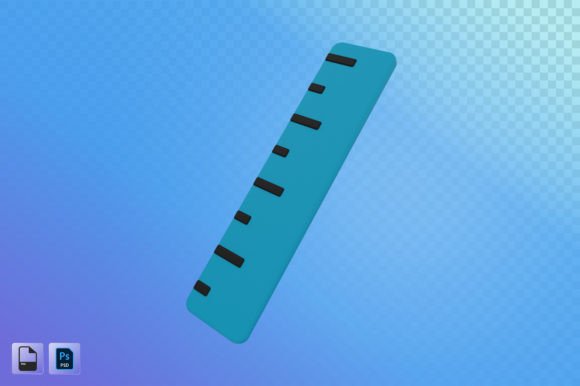
Ruler 3D illustration is a powerful visual tool that adds clarity and professionalism to design projects. Whether you're creating an app interface, designing a website, preparing a presentation, or crafting social media content, incorporating ruler-based 3D visuals can help users understand scale, proportion, and spatial relationships more intuitively. These illustrations are especially valuable for UI/UX designers, educators, marketers, and content creators who rely on precision and visual appeal to communicate effectively.
Why Ruler 3D Illustrations Are Valuable in Modern Design
In the digital design world, context is everything. A ruler 3D illustration provides a tangible reference point that helps your audience grasp measurements and dimensions at a glance. This makes it ideal for showcasing product sizes, layout structures, or even explaining technical concepts in a user-friendly way.
High-quality ruler 3D illustrations are often used in:
- App and Web Design: To demonstrate screen layouts or component sizing.
- Presentations and Posters: For adding depth and realism while maintaining accuracy.
- Social Media Advertising: To highlight features like device compatibility or product scale.
- Content Creation: As part of educational infographics or how-to guides.
When you use ruler 3D illustrations, you’re not just making things look good — you’re helping your audience make sense of what they see.
Common Mistakes When Using Ruler 3D Illustrations
While ruler 3D illustrations are incredibly useful, many people overlook key aspects when choosing or applying them. Here are some frequent missteps and how to avoid them:
Mistake 1: Ignoring File Format Compatibility
A common oversight is downloading ruler 3D illustrations without considering the file format needed for the project. If you're working in Photoshop, having access to a PSD file allows full layer control and customization. On the other hand, if you need something ready for export or web use, a high-resolution PNG is more appropriate.
Choosing the wrong format can lead to wasted time editing or poor visual results. Always confirm whether your design software supports the file type before purchasing or using the illustration.
Mistake 2: Overlooking Image Resolution
Many free or low-cost ruler 3D illustrations come in lower resolutions — say, 1000x1000 px — which may be sufficient for web use but fall short for print materials or large-scale displays. High-resolution images (such as 2000x2000 px) ensure crisp detail regardless of where or how you display them.
Using a low-res image for a poster or billboard can significantly reduce the perceived quality of your work. Always check the resolution before finalizing your choice, especially if the illustration will appear offline or in high-visibility formats.
Mistake 3: Misusing the Scale Reference
Rulers are meant to provide accurate scale references, but they can easily become misleading if not used properly. For example, placing a 3D ruler next to a phone illustration should reflect the actual size of the phone — otherwise, it defeats the purpose of including the ruler in the first place.
This mistake can confuse viewers or damage the credibility of your design. To prevent this, always double-check the real-world measurements of the object you're illustrating and align the ruler accordingly.
Mistake 4: Not Matching the Style to the Project
Ruler 3D illustrations come in various styles — from ultra-realistic to flat vector designs. Some creators assume one style fits all, but this isn’t the case. A sleek, minimalist ruler might clash with a retro-themed app mockup, while a highly detailed ruler could overwhelm a simple infographic.
The solution? Evaluate the tone and aesthetic of your project first. Choose a ruler illustration that complements the overall design language rather than competing with it.
What to Check Before Choosing a Ruler 3D Illustration
To ensure you select the best ruler 3D illustration for your needs, consider these essential checks:
- Resolution: Confirm that the illustration is at least 2000x2000 px for versatility across platforms.
- File Types: Look for both PSD and PNG options to maintain flexibility during editing and deployment.
- Design Context: Ensure the ruler matches the intended use case — such as being subtle in UI mockups or prominent in educational content.
- License Terms: If you plan to use the illustration commercially (e.g., in advertising), verify that it includes a commercial-use license to avoid legal issues later.
- Color and Style Consistency: Make sure the illustration’s color palette and artistic style align with your brand guidelines or project theme.
Approach 1: Use It as a Visual Anchor
Instead of letting the ruler fade into the background, position it as a visual anchor that draws attention to the key elements of your design. In a mobile app mockup, for instance, place the ruler near the home button or along the edge of the screen to emphasize its realistic proportions.
Approach 2: Layer Smartly for Customization
If you’ve downloaded a ruler 3D illustration in PSD format, take advantage of the layered structure. Adjust colors, add shadows, or modify the ruler’s orientation to better fit your composition. This level of control ensures the illustration feels native to your project rather than generic.
Approach 3: Combine with Real-World Examples
Pairing ruler illustrations with real-world objects enhances their effectiveness. For example, showing a ruler alongside a laptop or smartphone gives users a clear understanding of the item's physical size. This technique is widely used in e-commerce and tech marketing to build trust and clarity.
Real-Life Applications of Ruler 3D Illustrations
Ruler 3D illustrations aren't limited to a single industry or platform. Here are some practical scenarios where they shine:
- UI Design: Place a ruler over a responsive design mockup to show how elements scale across different screen sizes.
- Web Development: Include a ruler in screenshots or diagrams to clarify spacing and alignment standards.
- Marketing Materials: Use them in product comparisons or feature highlights to give customers a visual sense of value.
- Education and Training: Add rulers to tutorials about graphic design tools to teach measurement techniques visually.
- Poster Design: Incorporate a ruler to showcase product dimensions clearly and attractively.
Each of these uses benefits from the precision and visual impact that ruler 3D illustrations bring to the table.
How to Integrate Ruler 3D Illustrations Seamlessly
One of the most effective ways to integrate a ruler 3D illustration is by matching its lighting and perspective with the rest of the scene. If the illustration looks out of place, it can distract from the message you’re trying to convey.
For example, if you're designing a poster that shows a tablet next to a notebook, the ruler should sit naturally on the surface, reflecting similar light sources and angles. You can also apply subtle shadows or reflections to enhance realism.
Another tip is to use transparent backgrounds for PNG files so they blend effortlessly into your design. This avoids unnecessary white space and keeps your visuals clean and professional.
Cost vs. Quality Considerations
While it's tempting to go for the cheapest option available, investing in a well-crafted ruler 3D illustration can save you time and money in the long run. Low-quality illustrations often require extra effort to edit or adapt, and they may not render well in print or high-definition screens.
Look for illustrations that include multiple views, customizable layers, and consistent line weights. These small details contribute to a polished final product and eliminate the need for rework or additional assets.
Conclusion
Ruler 3D illustration is more than just a decorative element — it's a functional design asset that improves communication and adds professionalism to your work. By avoiding common mistakes and focusing on compatibility, context, and integration, you can leverage these visuals to create more engaging and informative content.
Whether you're a seasoned designer or just starting out, always take the time to evaluate your ruler illustration choices carefully. The right one can elevate your project from average to exceptional, while the wrong one may do the opposite. With high-resolution options, flexible file formats, and thoughtful styling, ruler 3D illustrations offer a smart investment for anyone serious about design quality and user experience.